


Where dangerous goods are involved, UN packaging certification is not a general statement. It confirms that a specific packaging design has passed defined performance tests for materials, packing groups and routine transport conditions.
For procurement and site teams, selecting the wrong package can lead to rejected loads, rework, product loss, enforcement action or a serious safety incident. The right approach starts with the material being packed, according to its transport classification so the full journey is completed without compromise
What does UN packaging certification actually mean?
UN packaging certification relates to packaging performance requirements used for the transportation of dangerous goods. In Great Britain and across international supply chains, these requirements sit alongside modal regulations such as ADR for road transport, the IMDG Code for sea freight and IATA requirements for air freight.
A UN-approved package is tested as a defined design type. Its approval is not automatically transferable to every design / size of bag, nor does it cover any material a site may choose to put inside, unless it meets the packaging criteria set out in the certification. The bag construction, dimensions, liner arrangement, lifting features, closure method and maximum permitted contents all form part of the approved specification.
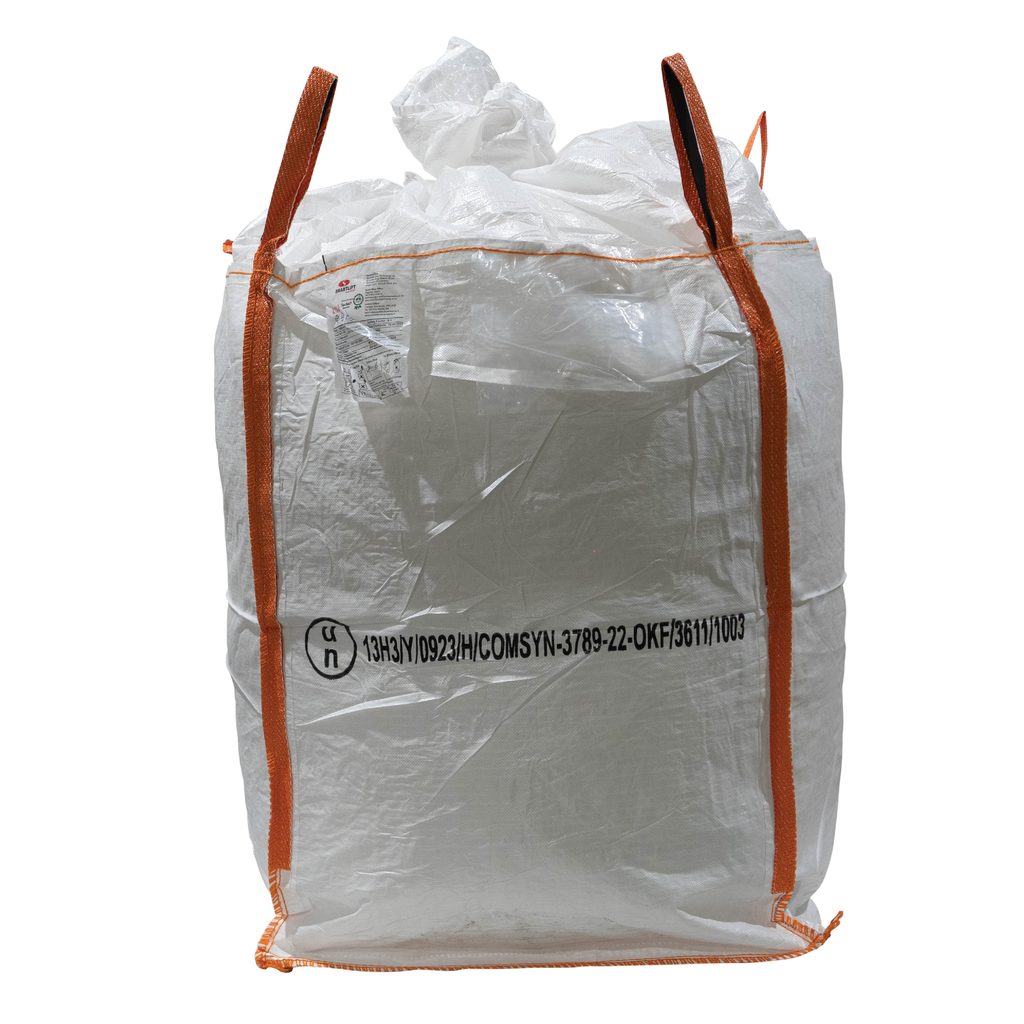
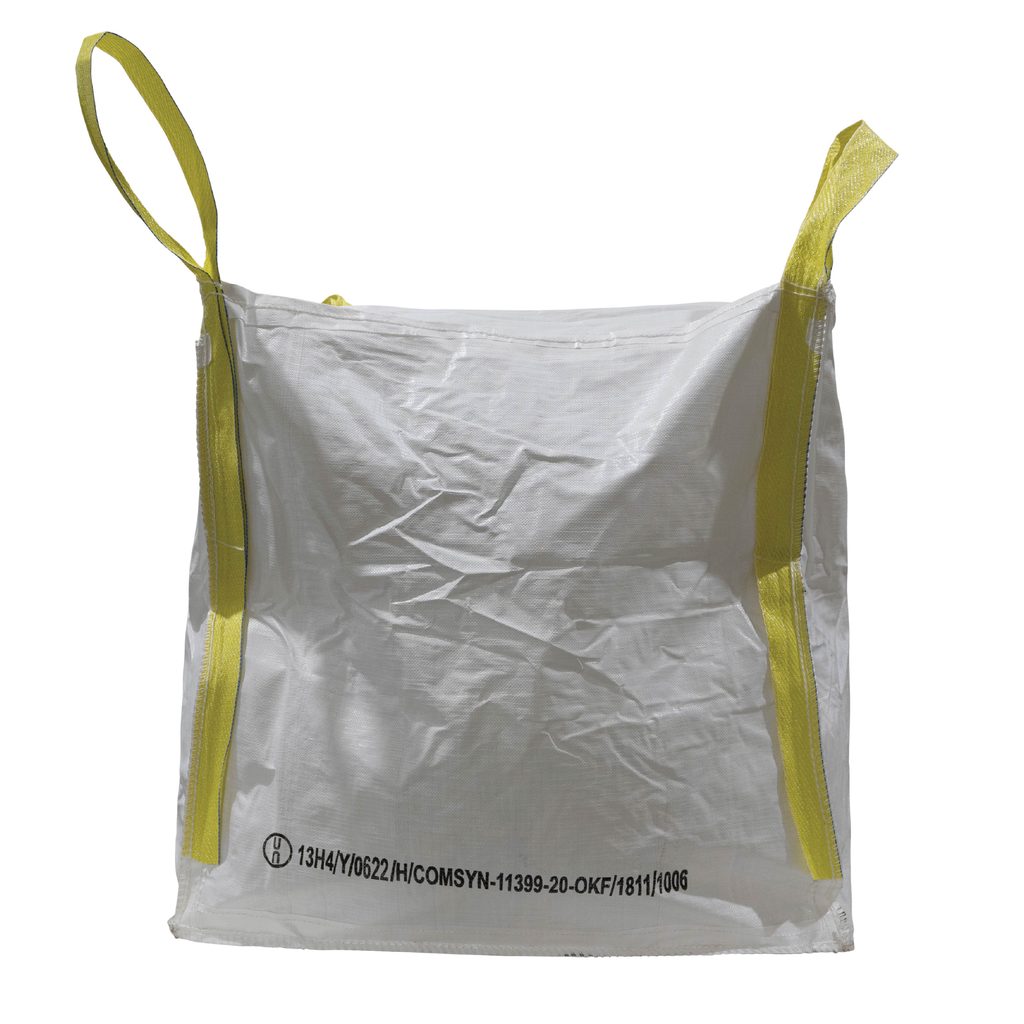
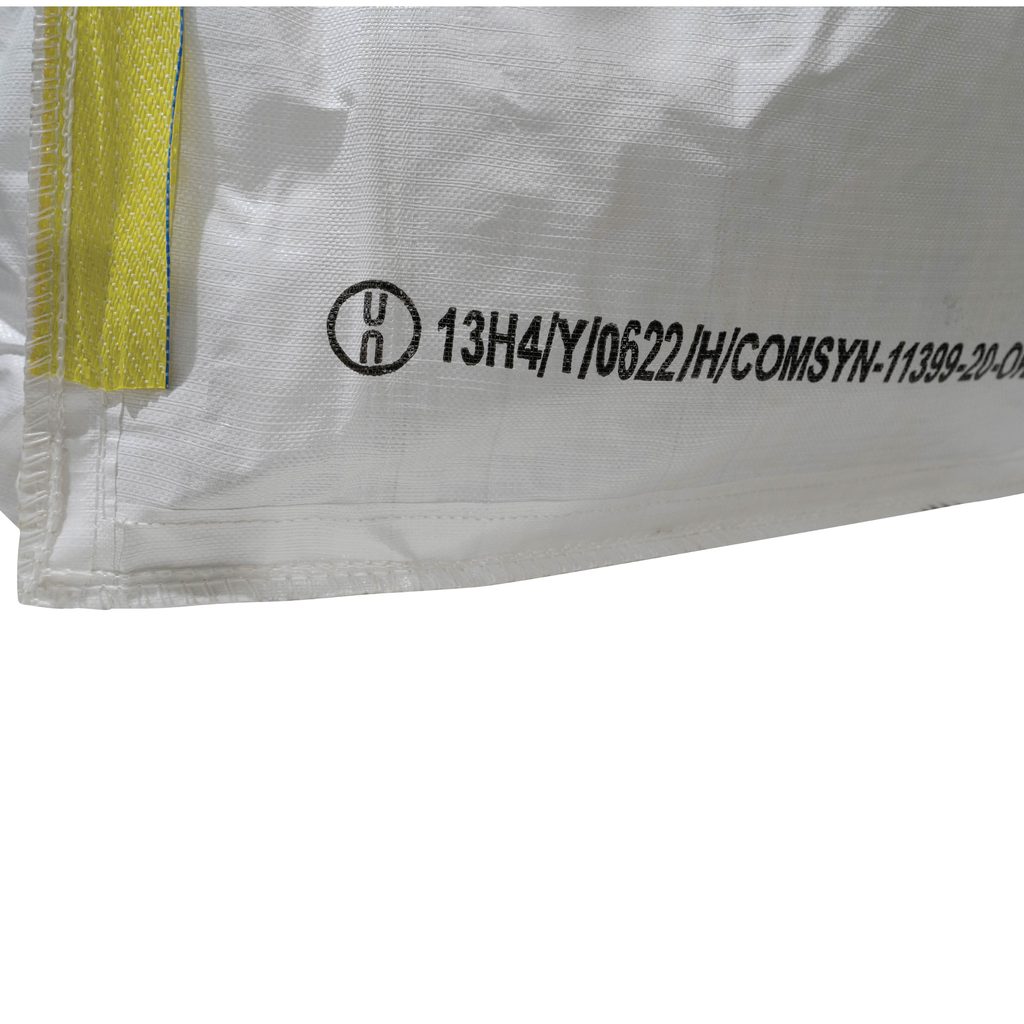
For flexible bulk packaging (FIBC’s), the UN marking will commonly identify a packaging code, the permitted packing group, the maximum gross mass or stacking load where applicable, the year of manufacture, the approving country and the manufacturer or approval reference. For an FIBC manufactured from woven P/P the code will begin with 13H, This identifies the bag as a woven P/P bulk bag. The remaining characters and marking information establish the precise type and permitted use.
The tests behind a UN-approved bulk bag
The test programme is intended to replicate the stresses a package can experience in handling and transportation. For a bulk bag, includes lifting from the loops, toppling, stacking, tearing and drop testing. The tests are performed using a representative package and specified test contents or material properties.
Passing these tests demonstrates performance under the stated conditions. It does not remove the need for careful filling, correct closure and appropriate handling on site. A bag that is overloaded, dragged across a floor, lifted by damaged loops or exposed to unsuitable weather can fail even if it was correctly certified when supplied.
The packing group is particularly significant. Dangerous goods are generally assigned to Packing Group I, II or III these markings can also be identified as X,Y,Z (X=1, Y=2 & Z=3) according to the degree of danger, with Group I representing the highest level. Not every flexible packaging design is suitable for every packing group or hazard class. Many applications will also require an inner liner or a particular closure arrangement to contain fine powders, prevent moisture ingress or protect the product from contamination.
A supplier should therefore assess the complete packaging system rather than the outer bag alone. For example, a powder may need a coated woven polypropylene bulk bag, a purpose-designed liner and a filling or discharge configuration that maintains containment from production line to final delivery.
Approval follows the design, not just the product name
Small changes can affect whether a package remains within its approved design type. Altering fabric weight, loop construction, bag dimensions, lamination, liner specification or closure can change the performance of the pack. Printing a UN mark on a different bag design does not make it certified.
This becomes relevant when businesses seek bespoke packaging. Custom dimensions, branding, filling spouts, discharge spouts and liners can all be practical requirements, but they need to be reviewed against the applicable approval. Bespoke does not mean non-compliant, provided the design is properly specified, tested and approved where required.
Start with the dangerous goods classification
The most efficient purchasing process begins before a bag specification is requested. Obtaining the material’s current Safety Data Sheet and confirmation of its UN number will ensure the proposed specification is ‘Fit for Purpose’. The transport mode matters too. A consignment travelling only by road may have different practical requirements from one that will move by sea or air.
It also depends on how the material behaves. A dense granular product places different loads on a bulk bag from a light, dusty powder. Hygroscopic materials may need moisture protection. Fine powders can create dust-release concerns at filling and discharge. Some products may require conductive or dissipative packaging to manage electrostatic risk, although this should be determined by a suitable risk assessment rather than assumed from the product type.
Share the intended gross fill weight, product bulk density, storage period, lifting method and destination with the packaging supplier. A clear brief helps identify whether a certified bulk bag is appropriate and, if so, which construction and liner combination is needed.

Reading the marking and matching it to use
The UN mark is a key part of compliance, but it is not a shortcut for decision-making. Teams should be able to match the marking on delivered packaging to the approved specification and the documented transport requirement.
Check that the packaging code is correct, that the permitted packing group covers the goods being shipped and that the maximum authorised gross mass will not be exceeded. Confirm the bag has been supplied by the named manufacturer or under the relevant approval arrangement. Where the design relies on a liner, verify that the liner supplied is the specified one, not a visually similar substitute.
Keep approval documentation, batch records and product specifications with the purchasing and quality file. This makes it easier to answer carrier, customer or auditor queries and prevents uncontrolled substitutions during repeat ordering. It is particularly valuable where multiple sites, contract packers or changing warehouse teams handle the same product.
Compliance can be lost during filling and handling
A correctly purchased bag can still be used incorrectly. Operational controls are therefore part of the packaging decision.
Filling equipment should be set up to prevent overfilling and avoid damaging the fabric, loops or liner. Operators need clear instructions for closing the bag as specified, including any ties, sealing method or protective flap. If a liner is required for the approval or for containment, it must be fitted and closed correctly every time.
During handling, use suitable fork attachments or lifting equipment, lift all designated loops together and keep forks clear of the bag body. Do not lift a bag by a single loop unless the design and safe working instructions expressly permit it. Damaged, wet, contaminated or previously used bags should not be returned to dangerous goods packing operation unless their permitted reuse and condition have been assessed under the relevant rules.
Storage also deserves attention. UV exposure, prolonged damp conditions, poor stacking practice and contact with sharp pallet edges can compromise flexible packaging before it leaves site. Pallet protection, clean storage and a defined inspection routine are modest controls that can prevent costly disruptions.
Choosing a supplier for certified flexible packaging
The lowest unit price is rarely the lowest transport cost if the packaging creates a compliance question at dispatch. Buyers should look for a supplier that can explain the approved design in practical terms, provide the required marking and documentation, and identify where the requested application falls outside the approval.
Ask direct questions about the material classification, intended transport route, maximum fill weight, liner requirement and whether any proposed customisation affects the certified design. It is also sensible to establish lead times for approved bespoke production before a contract or shipment date is committed.
Smartlift Bulk Packaging supports businesses with flexible packaging requirements that need to perform in demanding industrial environments. The most suitable option may be a standard approved bulk bag, or it may be a specified bag-and-liner system developed around the product, filling process and transport obligation.
The practical objective is not simply to buy a bag carrying a UN mark. It is to put the right certified packaging, documentation and handling controls around the material before it reaches the loading bay.
